
The Ultimate Structural Assessment Checklist for GTA Home Buyers
Before you sign the papers on a new property in Toronto Vaughan or the wider GTA you must verify its physical and legal standing. Whether your goal is building a new home adding an extension or making significant interior renovations identifying potential warning signs early is your most important step.
Many home buyers and first time investors underestimate how crucial this physical evaluation is. Failing to spot hidden structural issues can lead to costly repairs delayed renovations or even the requirement to undo previous unpermitted work entirely. Use this actionable checklist to evaluate properties safely.
Phase 1 Verify Municipal Building Permits
A house might look beautiful but if previous owners completed major projects without city approval you could be inheriting massive liabilities. Always investigate the legal history of the property.
- Check for open permits Visit the local municipal office or use their online portal to see if there are any unresolved building applications attached to the address.
- Match the floor plan Compare the current physical layout of the house with the original municipal blueprints to spot illegal basement apartments or unpermitted extensions.
- Request compliance letters Ask your real estate lawyer to obtain a compliance letter from the city ensuring the property meets all current zoning and safety standards.
Phase 2 Identify Physical Structural Defects
Red flags vary depending on your location and the age of the property. While minor cosmetic issues like peeling paint or old flooring may not be a major concern the structural elements below require absolute scrutiny.
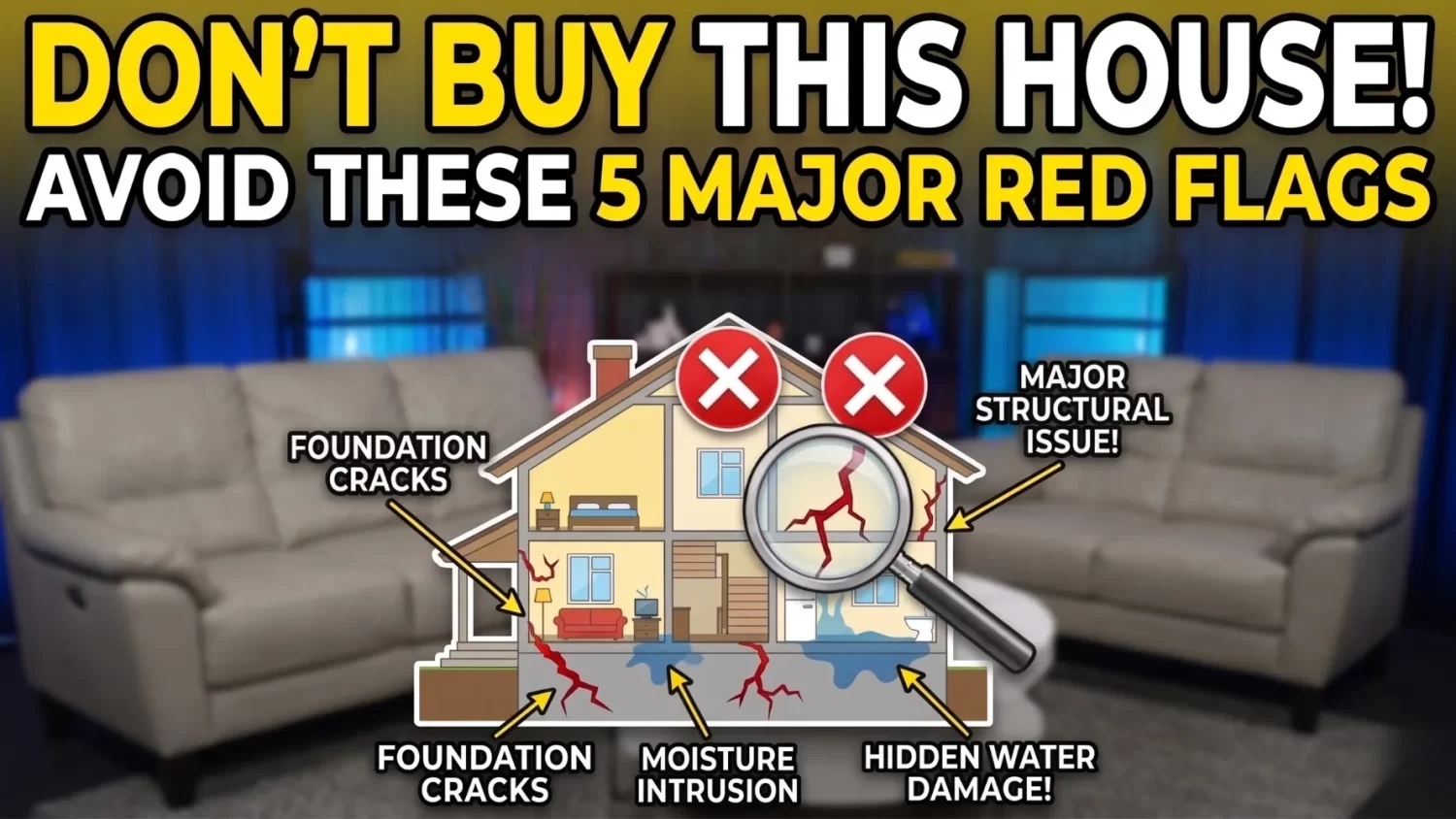
- Foundation integrity Walk the perimeter of the home and check the basement walls for deep horizontal cracks or signs of shifting.
- Moisture and water damage Look for water stains on ceilings peeling drywall near the baseboards or a musty smell in the basement which indicate poor drainage or failing roof systems.
- Electrical and plumbing systems Outdated knob and tube wiring or galvanized steel pipes in older Toronto homes pose severe fire and flooding risks.
Phase 3 Review Engineering and Inspection Reports
After your initial walkthrough your prospective property must go through professional rounds of review. You need detailed documents to give you a clear picture of what you are intending to purchase.
- Hire a local inspector Work with a licensed home inspector who is intimately familiar with the Toronto housing market and its common historical building quirks.
- Request engineering assessments If you suspect load bearing walls were removed by a previous owner have a structural engineer confirm the house is stable.
- Review the land survey Ensure you know exactly where your property lines end so you do not accidentally inherit a boundary dispute with a neighbour.
Frequently Asked Questions About Property Inspections
How do I check for unpermitted work in Toronto
You can search the public building records portal provided by the municipal government. If you see a finished basement or a new deck but no corresponding closed application in the system it is highly likely the work was completed illegally.
What happens if I buy a house with illegal renovations in Vaughan
If you purchase a property with unpermitted work you assume full liability for it. The city can issue an order to comply which forces you to either pay for retro-active permits and inspections or tear down the illegal structure entirely at your own expense.
Should I waive the home inspection to win a bidding war in the GTA
Waiving your inspection is incredibly risky. Spotting a warning sign early is an essential safeguard for your investment. If you must bid aggressively try to schedule a pre inspection walkthrough before submitting your formal offer.
Buy Your Next Home With Complete Confidence
By going through the proper evaluation steps you not only protect yourself financially but also ensure the long term value of your property. Prepare diligently utilize this checklist and set the foundation for a safe compliant and successful homeownership journey.